
 By
A cloud of uncertainty has settled over the agricultural communities of Western Washington following the discovery of bird flu at a commercial poultry facility in Pierce County. While health officials from the Washington State Department of Agriculture and the Tacoma-Pierce County Health Department emphasize that the risk to the general public remains very low, the announcement has sent ripples of anxiety through the region’s farming network. Currently, no human infections have been reported, though authorities are closely monitoring employees who had direct contact with infected birds as a precautionary measure.
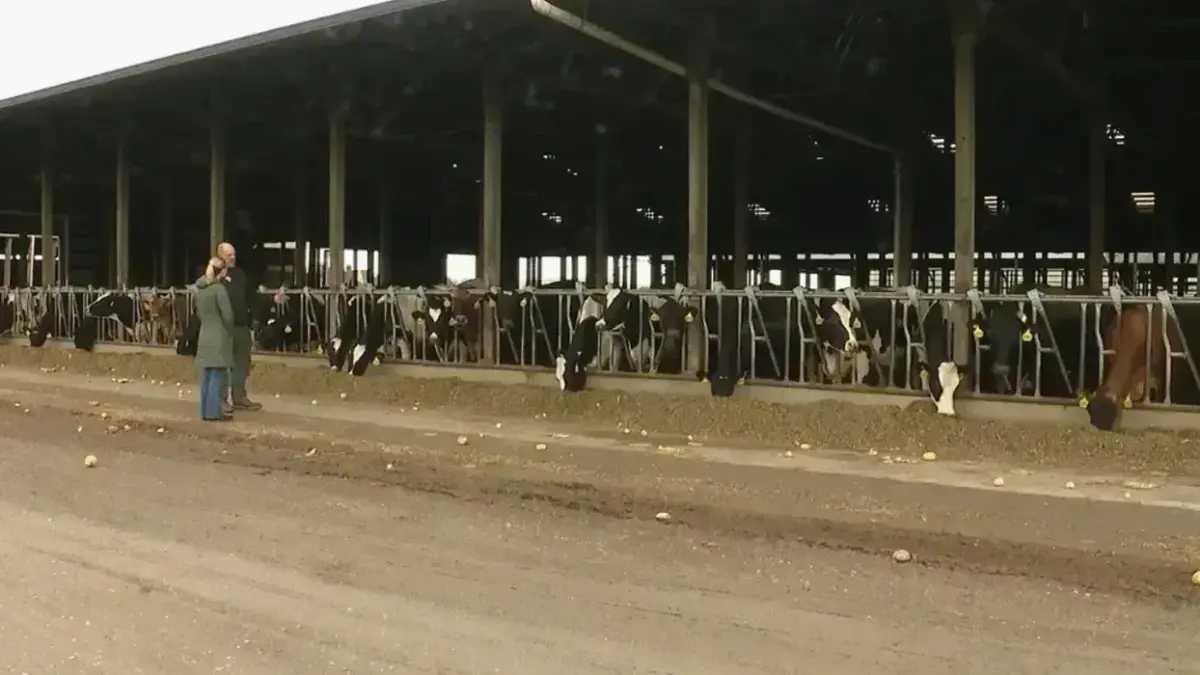
For those working the land, however, the concern is less about personal health and more about economic survival. Jason Vander Kooy, a dairy farmer in Mount Vernon and vice president of Save Family Farming, warns that many independent operations are already operating on razor thin margins. He notes that while producers can manage things like feed quality and livestock comfort, an unpredictable viral outbreak is a devastating blow that exists entirely outside their control. With thousands of Washington farms disappearing since 2017 due to rising labor and production costs, some fear this latest detection could be the breaking point for families already standing on the brink of closure.
Although bird flu hasn’t historically impacted dairies in Western Washington, current outbreaks in Kittitas and Yakima counties serve as a grim reminder of how quickly these situations can evolve. A widespread surge could lead to plummeting egg and milk production alongside soaring operational costs during a time when recovery is already difficult for small scale growers. This particular incident has prompted immediate action, with the affected Pierce County site now under strict quarantine to prevent further spread into neighboring flocks.
State officials are urging vigilance among all flock owners within six miles of the contaminated facility, encouraging them to utilize online reporting tools or call a dedicated hotline if they notice sudden illnesses or unexplained deaths among their birds. To reassure consumers, agriculture experts clarified that eggs from infected sites will be destroyed and never reach store shelves, maintaining that chicken and egg products from other regional farms remain perfectly safe for consumption.


