
 By
For decades, a comforting assumption has persisted in scientific circles that plastics are chemically inert, meaning they simply sit in the environment without reacting to the world around them. This belief suggested that while microplastics might be unsightly or physically obstructive, they weren’t necessarily triggering chemical chaos within the bodies of humans and animals. However, groundbreaking research led by Naixin Qian and published in Nature is now dismantling that myth, revealing that common plastics can actually act as catalysts for volatile reactions when they encounter water.
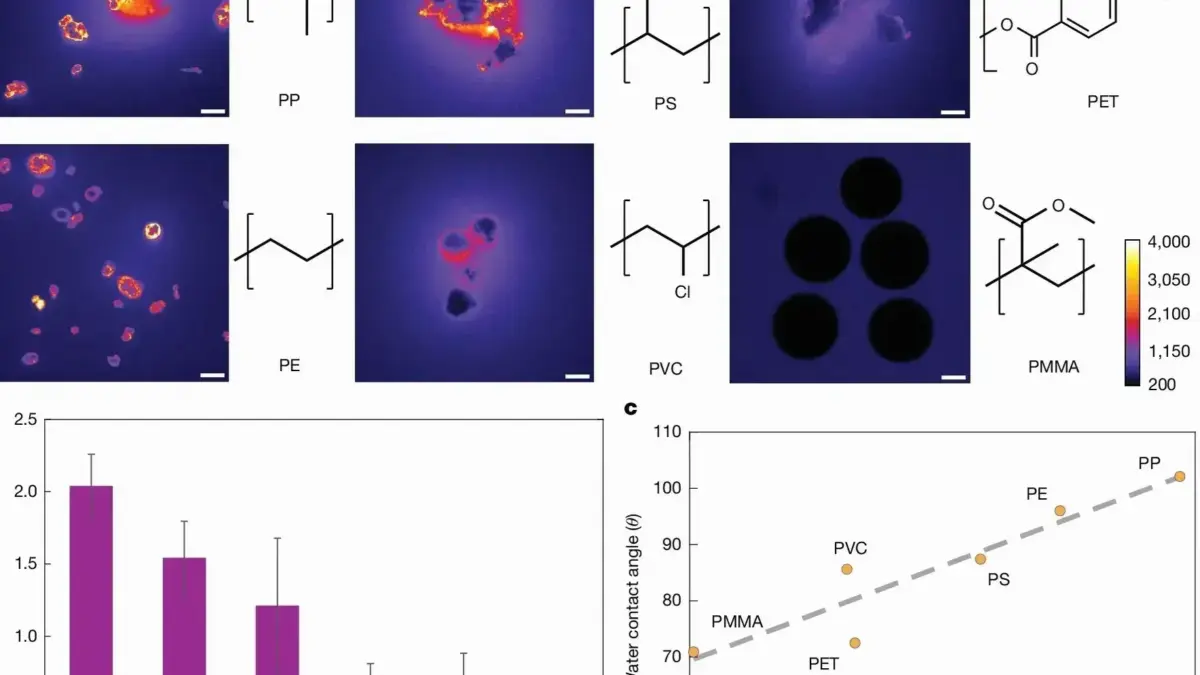
The study discovered that certain plastics generate highly reactive molecules known as hydroxyl radicals at the point where the material meets water. These free radicals are notoriously unstable and short lived, but they possess a destructive energy driven by an electrostatic effect inherent to many plastic types. Interestingly, the researchers found that this reaction was particularly potent in more hydrophobic plastics, suggesting that the very properties making these materials water resistant are what make them chemically aggressive on a microscopic level.
The biological implications of this discovery are concerning because hydroxyl radicals are known to wreak havoc on cellular structures and can even damage DNA. To test this theory, the team exposed mouse red blood cells to polystyrene microplastics and witnessed fatal damage to the cells. They noted that the process happens in stages; first, the electrostatic charge of the plastic draws charged biomolecules toward it, and then those molecules are hit by the onslaught of free radicals.
While scientists continue to debate exactly how prevalent microplastics are within human tissue and how much harm they truly cause, this research fills a critical gap in our understanding. By proving that these particles aren’t just passive hitchhikers in our bloodstream but active chemical agents, the study provides a new framework for tracking how plastics age and interact with living organisms. It turns out that what we thought were dormant fragments of waste may actually be tiny engines of oxidative stress moving through our bodies.


