 By
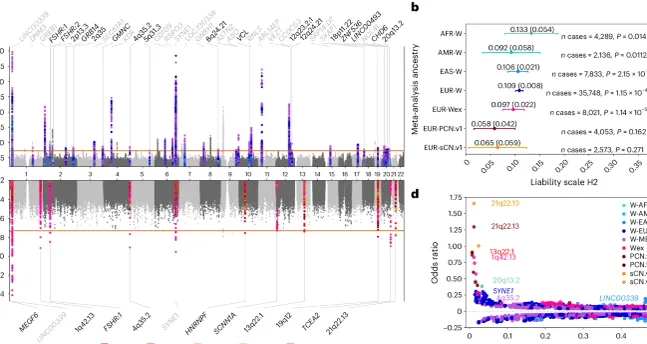
For millions of people worldwide, endometriosis is more than just a medical diagnosis; it is a lifelong struggle with chronic pain and fertility challenges. This systemic condition occurs when tissue similar to the lining of the uterus grows in other areas of the body, but despite its prevalence, doctors have long struggled to understand why some people develop it while others do not. A groundbreaking new study involving fourteen global biobanks is now shedding light on these mysteries by analyzing the genetic blueprints of over a million participants.
Historically, genetic research into endometriosis has suffered from a lack of diversity, focusing heavily on populations of European descent. By expanding their scope to include a significant number of non-European participants, researchers have created a far more inclusive map of the disease’s genetic architecture. This shift allows scientists to see how the condition manifests across different ethnic groups and helps ensure that future diagnostic tools and treatments will work for everyone, regardless of their ancestral background.
The sheer scale of the project allowed researchers to identify thousands of significant genetic variants associated with the disorder. Beyond simply spotting markers in the DNA, the team used advanced multiomics analyses to connect these genetic clues to actual biological processes. They discovered several key pathways that drive the disease and noted intriguing links between endometriosis and cardiovascular risks, suggesting that inflammation and vascular issues might be shared drivers for both conditions.
While there is still no cure for endometriosis, this massive collaborative effort marks a pivotal step toward personalized medicine. By pinpointing specific genes and molecular mechanisms, scientists are moving closer to developing targeted therapies that could replace generic symptom management with precise interventions. For those living with the daily burden of this invisible illness, these findings offer hope for a future where diagnosis is faster and treatment is tailored to their own unique genetic makeup.