 By
Health and Human Services Secretary Robert F. Kennedy Jr. has entered the fray over a controversial military operation in Iowa involving the detonation of dangerously degraded toxic materials. The U.S. Army intends to destroy the cache, but environmental experts have raised alarms that the blast could launch lead particles into the atmosphere. According to an Army analysis, a resulting plume of contamination could drift up to 100 miles, potentially affecting hundreds of farms and numerous residential areas across the region.
The scale of the risk has triggered a coordinated response from multiple federal agencies, with FEMA preparing for possible evacuations and the EPA monitoring potential fallout. Kennedy has positioned himself at the center of the public health response, utilizing social media to assure residents that HHS is collaborating with state and local authorities to evaluate lead exposure risks. He noted that health department personnel will remain stationed on the ground following the explosion to coordinate cleanup efforts and provide medical support.
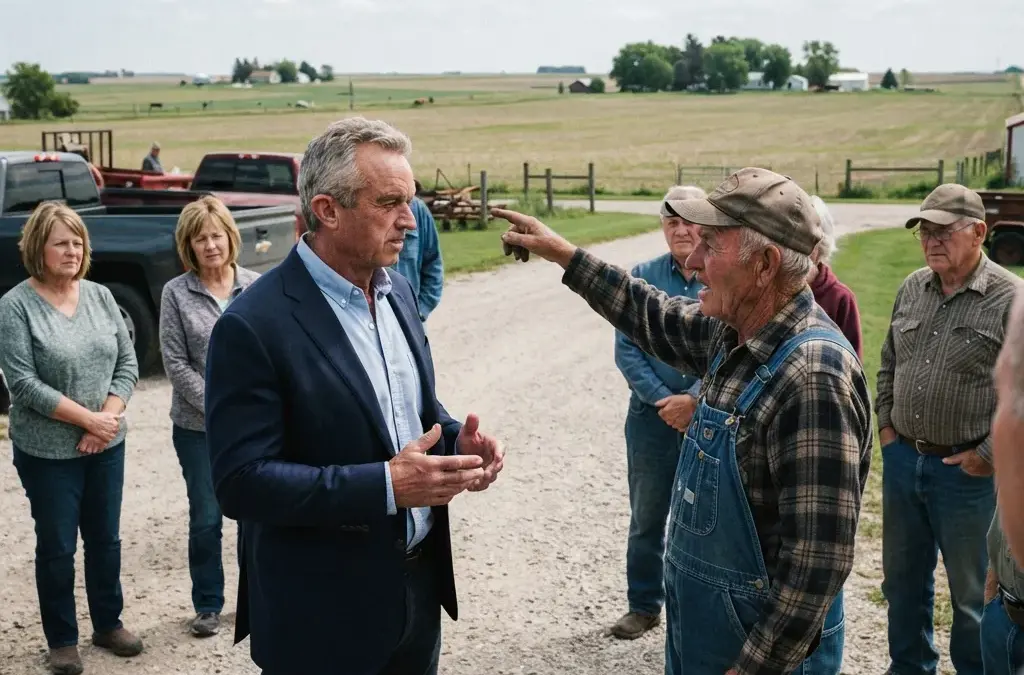
Beyond official government channels, Kennedy appears to be acting as a bridge between concerned citizens and the executive branch. Former Iowa gubernatorial candidate Zach Lahn recently disclosed that he spoke with the secretary regarding these fears, claiming that Kennedy helped facilitate a direct connection to the White House to voice opposition to the plan. This involvement comes at a time when supporters of Kennedy’s Make America Healthy Again movement see this crisis as a pivotal moment for him to demonstrate leadership in protecting community health from industrial toxins.
The situation highlights a growing tension between national security disposal protocols and public health safeguards. While the military views the detonation as a necessary step to handle unstable materials, critics argue that the atmospheric spread of heavy metals poses an unacceptable risk to rural populations. For now, all eyes are on Iowa as federal officials attempt to balance hazardous waste removal with the prevention of a widespread environmental disaster.