
 By
For twenty six years, the United States operated under the comfort of knowing that measles had been effectively eliminated as a continuously transmitting disease. That era has now come to an end. An independent commission reporting to the Pan American Health Organization recently determined that the U.S. no longer qualifies for elimination status, marking a significant blow to national public health policy. While the official designation is technical, the reality is stark: the virus is once again endemic, meaning it is spreading naturally from person to person within American borders rather than being imported by travelers.
The evidence for this shift became undeniable following genomic studies conducted in Utah, where researchers discovered a single strain of the virus had been circulating for over a year. This specific chain of transmission accounted for more than 95 percent of cases in the state, resulting in hundreds of infections between mid 2025 and mid 2026. Similar sustained outbreaks across states like New York, Pennsylvania, and Wisconsin further illustrated a crumbling wall of immunity. Experts note that while sporadic clusters occurred after 2000, those were typically short lived sparks extinguished by high vaccination rates; today, those sparks are turning into wildfires because more communities have gone unvaccinated.
The statistics paint a grim picture of this resurgence. With over 5,400 cases reported this year alone, the U.S. has seen its highest numbers since 1991. Nearly all these infections occurred in individuals who were either unvaccinated or whose records were unknown. Beyond the immediate misery of high fevers and rashes, physicians warn that measles can erase a patient’s immune memory or lead to fatal neurological complications years later. For infants too young for their shots and immunocompromised adults, the loss of community protection transforms a preventable disease back into a lethal threat.
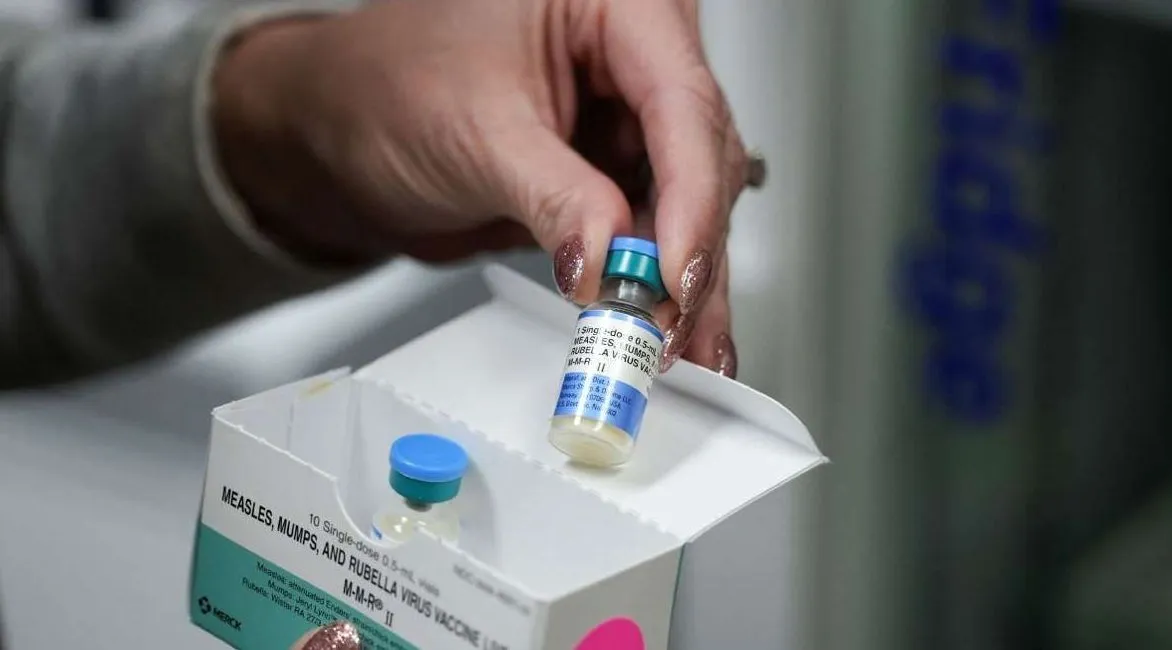
Public health officials describe this moment as both humbling and devastating, viewing it as a reversal of generations of medical progress. Critics point toward growing skepticism regarding vaccine safety and efficacy as key drivers behind falling immunization levels. As doctors emphasize that two doses of the MMR vaccine provide nearly total protection, they argue that losing this status is less about a bureaucratic label and more about a dangerous new reality: measles is simply back in America.


