
 By
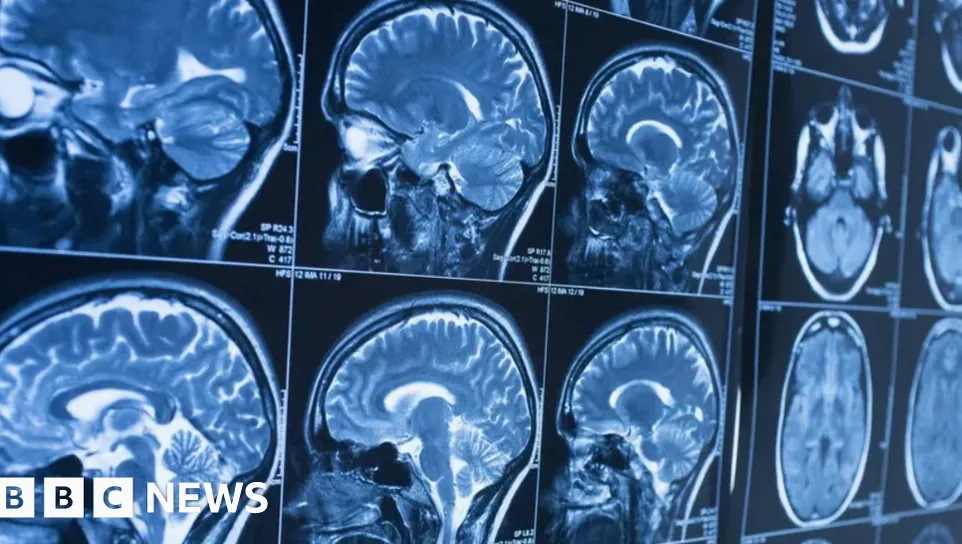
Researchers at the University of Exeter are spearheading an ambitious twenty million pound initiative to revolutionize how dementia is detected and prevented across the United Kingdom. Known as the BRAINIAC Hub, this massive collaborative effort combines ten million pounds from the Engineering and Physical Sciences Research Council with another ten million provided by charities, industry leaders, and NHS partners. By integrating artificial intelligence with brain imaging, genetic mapping, and blood biomarkers, the team hopes to create a comprehensive snapshot of individual brain health that can spot warning signs long before traditional symptoms emerge.
The project represents a significant logistical undertaking, uniting eleven universities—including prestigious institutions like Oxford and Cambridge—and ten different NHS sites over a six year period. The ultimate goal is to establish specialized brain health clinics by 2029 that can drastically cut down the waiting times for diagnoses. Current estimates suggest that making assessments thirty to fifty percent faster could save countless families from months of uncertainty while allowing doctors to identify high risk individuals far earlier than previously possible.
Professor David Llewellyn, who leads the hub, describes early detection as one of the most difficult challenges in modern medicine. He believes that providing personalized prevention plans will allow people to maintain their cognitive sharpness for much longer. This urgency is underscored by sobering statistics showing that nearly a million people currently live with dementia in the UK, a figure expected to climb toward 1.4 million by 2040 as costs associated with care soar into the billions.
Beyond just speed, the focus of BRAINIAC is practical application within a strained healthcare system. Deputy director Chris Fox emphasized that these tools are being designed alongside practicing clinicians to ensure they function effectively in busy hospital settings rather than remaining theoretical exercises on paper. With broader government backing aimed at ensuring nearly all suspected cases are diagnosed within eighteen weeks, this hub stands as a critical pillar in a national strategy to move from reactive treatment toward proactive prevention.


