
 By
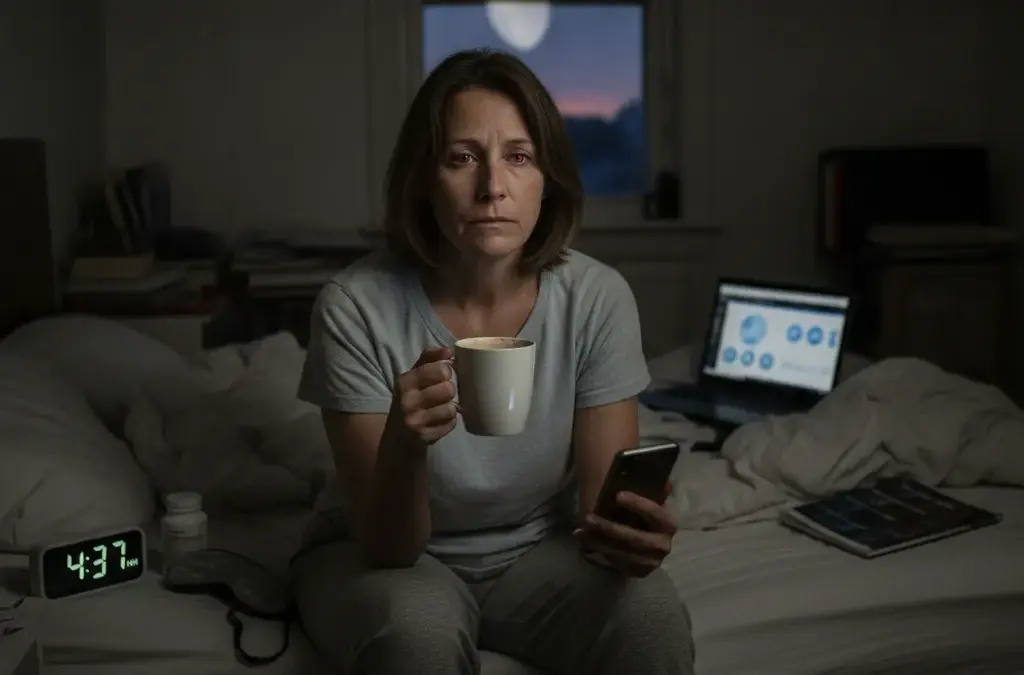
For millions of people living with depression, the struggle to maintain a normal sleep schedule feels like just another symptom of the illness. Waking up exhausted despite hours of slumber or staying awake until dawn are common experiences, usually viewed as consequences of a low mood. However, new research coming out of Australia suggests that for a significant minority, these disrupted rhythms might actually be the primary engine driving their mental health struggles rather than a byproduct of them.
A study published in the British Journal of Psychiatry proposes the existence of circadian depression, a specific subtype where a malfunctioning internal body clock is the core issue. By analyzing a group of over 11,000 individuals, researchers found that about a quarter fit a particular profile characterized by seasonal mood swings, chronic oversleeping, and social jet lag. These individuals often reported more severe symptoms and noted that traditional antidepressants were frequently less effective for them than for others.
This discovery adds to an ongoing effort within psychiatry to move away from treating depression as a single disease and instead viewing it as a diverse collection of biological profiles. While previous attempts focused on brain scan patterns, this team looked at behavioral markers like being a night owl or struggling with early mornings. The theory is that if the body’s master clock in the hypothalamus is misfiring, it creates a physiological environment that triggers depressive episodes.
Despite the excitement surrounding these findings, some medical experts urge caution. Critics argue that it remains difficult to prove whether sleep disruption causes depression or if severe depression simply scrambles one’s sleep patterns. There is also the possibility that this group overlaps with other conditions, such as bipolar disorder or ADHD, which share similar rhythmic irregularities. For now, defining this as an official seventh type of depression may be premature without more rigorous clinical data.
Regardless of whether it becomes an official diagnosis, the implications for treatment are promising. If certain patients suffer specifically from circadian misalignment, standard talk therapy or pills might not be enough. Instead, targeted interventions like bright light therapy and timed melatonin doses could provide relief by resetting the body’s internal timer. Researchers at the University of Sydney are currently testing these theories in young adults to see if fixing the clock can finally lift the fog of depression.


