
 By
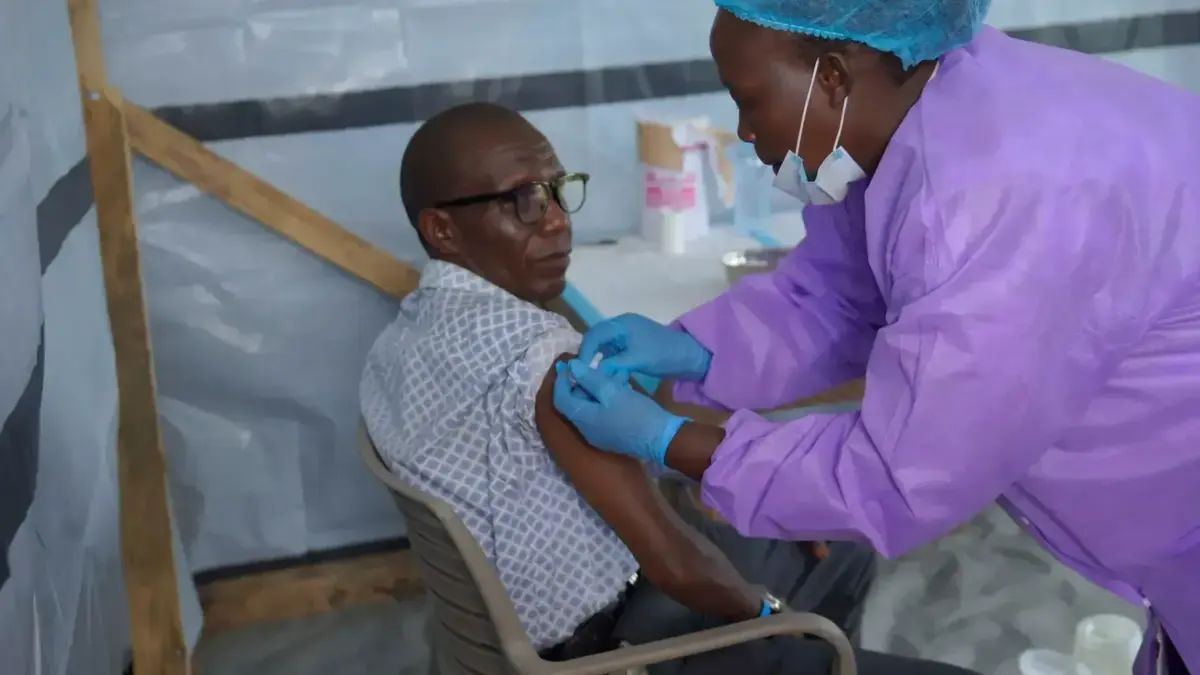
Health officials have launched a critical clinical trial in the Democratic Republic of Congo as they struggle to contain the country’s most devastating Ebola outbreak on record. The initiative began in Bunia, located in the northeastern Ituri province, where patients are receiving the Ervebo vaccine. While Ervebo is already approved for the common Zaire strain of the virus, researchers are now testing it to see if it provides any cross-protection against the specific Bundibugyo species driving the current epidemic.
World Health Organization Director General Tedros Adhanom Ghebreyesus emphasized that this DRC led effort is essential for finding life saving answers during a period of unprecedented crisis. This particular outbreak has proven exceptionally volatile, spreading across four different African nations and marking the widest geographic reach ever seen on the continent. With over 9,700 reported cases and more than 4,600 deaths since May, the WHO has elevated its response to a public health emergency of international concern.
The broader strategy known as the Tumaini trial utilizes a ring vaccination method, focusing on those identified as high risk contacts of infected individuals. Beyond existing options, the framework is designed to integrate upcoming candidate vaccines from both Moderna and the University of Oxford. One utilizes mRNA technology while the other employs an adenoviral vector, both having received backing from the Coalition for Epidemic Preparedness Innovations to accelerate their arrival into human trials.
In an effort to ensure comprehensive medical data, organizers are including demographics typically left out of such studies, specifically children twelve and older and pregnant women. According to WHO emergencies director Chikwe Ihekweazu, these steps are vital to producing the rigorous evidence required to confirm if these various jabs can truly shield vulnerable populations from a deadly pathogen that continues to defy containment efforts.


