
 By
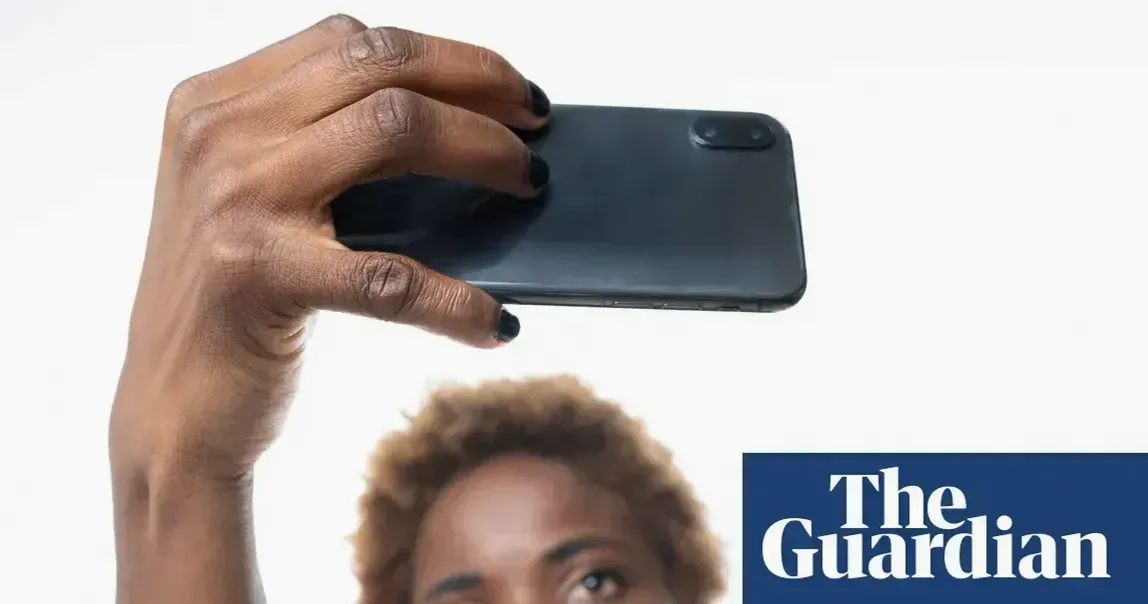
Medical researchers at Mass General Brigham have developed a pioneering artificial intelligence tool capable of predicting cancer survival rates using nothing more than a standard photograph of a patient’s face. By analyzing millions of images across various ages and ethnicities, the system can distinguish between a person’s chronological age and their biological age, providing a glimpse into their overall physical resilience. This discovery, recently detailed in the journal Lancet Digital Health, suggests that the visible signs of aging on a face may serve as critical biomarkers for how well a patient might withstand aggressive medical interventions.
The team created two distinct algorithms to process these visual cues. One tool focuses on wrinkles near the mouth and forehead to estimate biological age, while another analyzes regions around the eyes and nasal bridge to predict survival risks directly. In one striking find among patients receiving radiotherapy, those who appeared five years older than their actual age faced a twenty one percent higher risk of death over a four year period compared to those who looked their age or younger. Factors like smoking, drug use, and heavy alcohol consumption were notably linked to an accelerated biological appearance in these scans.
For clinicians, this technology represents a potential shift toward more personalized oncology. Dr. Raymond Mak noted that as populations grow older, doctors struggle to accurately gauge a patient’s frailty before prescribing intensive surgeries or chemotherapy. While the AI is not intended to replace human judgment, it offers a quantitative way to measure physical reserve that remains remarkably consistent regardless of lighting, makeup, or even some forms of plastic surgery.
Despite the promising results, the researchers emphasize that caution is necessary before this becomes a bedside staple. While a selfie provides a low cost and non invasive method for assessing health markers, further validation is required to ensure its reliability across diverse clinical settings. If successfully implemented, however, this digital mirror could help doctors tailor treatments more precisely to each individual’s unique physiological capacity for recovery.


